8 to 10 Boxes per Minute Automated Carton Boxing Machine Replaces Multiple Manual Workers for Book Stack Packaging
Stop poor efficiency– now one operator and one machine can do at 8 to 10 boxes per minute with adhisive tape.
Introduction
For years, packing book stacks into cartons required a team of three or four people. One person opened the carton. Another inserted the book stack. A third closed and sealed the box with glue or tape. Now a single integrated machine does all three jobs at 8 to 10 cartons per minute, with just one operator. This is the Carton Boxing Machine that reduces labor cost, cuts physical strain, and boosts output for any book distribution or packaging line.
Carton Boxing Machine
The Problem with Manual Carton Packing
Manual packing is slow, labor intensive, and expensive. Opening flat carton blanks, folding flaps, inserting book stacks, then applying glue or adhesive tape by hand takes time and coordination. Even with three or four workers, output rarely exceeds 4 to 5 boxes per minute. Workers become tired, leading to inconsistent sealing, damaged cartons, or workplace injuries. For businesses handling thousands of book stacks per day, manual packing becomes a bottleneck and a major cost driver.
The Solution: An All in One Carton Boxing Machine The Carton Boxing Machine is designed to solve this problem. It integrates three essential functions into one automatic system. First, it opens flat carton blanks into formed boxes. Second, it places a book stack into the open carton. Third, it perfectly closes the carton using either glue or adhesive tape. What used to need multiple people working together is now done by one machine. Only one operator is required to run the process. The result is higher efficiency, lower labor cost, and reduced physical intensity for workers.
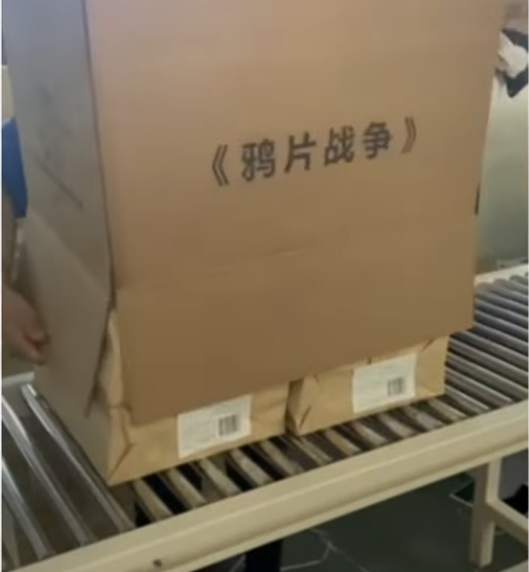
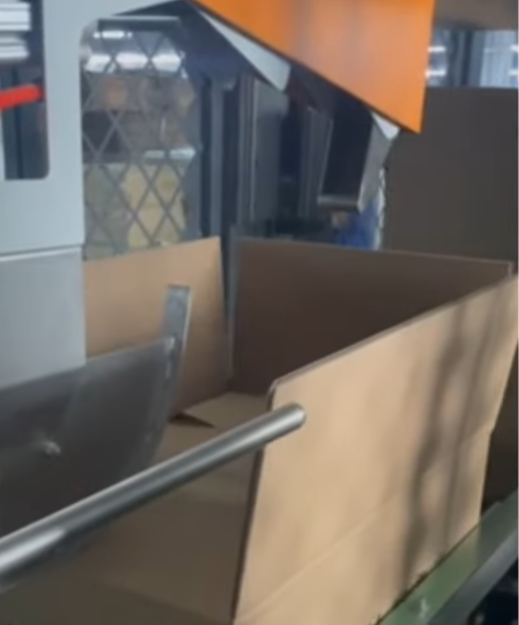
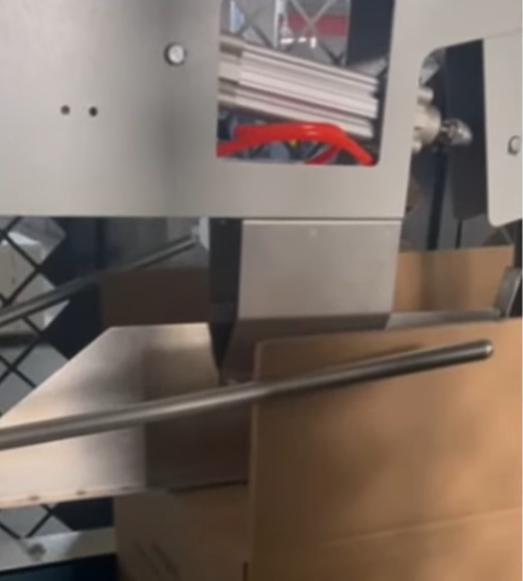
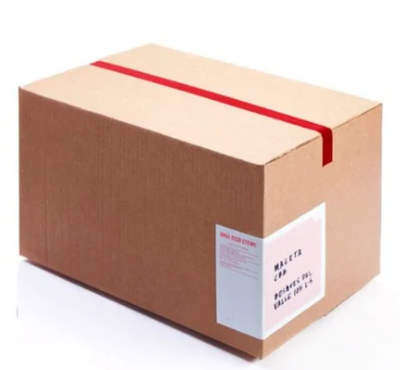
How the Machine Works The process is simple and continuous. Flat pre made carton blanks are loaded into the machine magazine. The machine automatically erects each blank into a rectangular box, folding the bottom flaps into place. Next, the book stack is inserted into the open carton. The machine is designed specifically for book stacks but can handle other products within its size range. Finally, the top flaps are closed and sealed. The operator can choose glue or adhesive tape as the sealing method. Each carton comes out perfectly sealed and ready for shipping. The whole cycle repeats at a speed of 8 to 10 boxes per minute.
Technical Parameters That Define Performance The machine’s capabilities are clearly defined by its specifications. Packing speed is 8 to 10 boxes per minute, which is stable and reliable for production planning. The packing length range is 350 to 510 millimeters. The packing width range is 220 to 400 millimeters. The packing height range is 120 to 480 millimeters. This covers most standard carton sizes for book stacks and similar rectangular items. The machine requires compressed air at 5.4 MPa. Power supply is 220V 50/60Hz with a 10A electric current. Total weight is 1200 kilograms, giving the machine a solid and stable footprint. The dimensions are 3130 millimeters in length, 850 millimeters in width, and 2010 millimeters in height. This size fits well in most packaging or warehouse layouts.
Speed and Efficiency: 8 to 10 Boxes per Minute
Speed is a key advantage. At 8 boxes per minute, the machine matches or exceeds the output of three manual workers working continuously. At 10 boxes per minute, it surpasses what four workers can do without fatigue. Over one hour, that is 480 to 600 sealed cartons. Over an eight hour shift, the machine can produce 3840 to 4800 finished cartons. Manual lines cannot sustain this speed with consistent quality. The Carton Boxing Machine runs at the same pace from start to finish, only stopping when carton blanks or book stacks need to be refilled. This high speed directly translates into more orders shipped per day and faster turnaround times.
Labor Savings and Reduced Cost One of the most immediate benefits is labor reduction. A manual packing line typically requires three or four workers per shift. With the Carton Boxing Machine, only one operator is needed. That means a reduction of two to three workers per shift. For companies running multiple shifts, the savings multiply. The machine does not take breaks, does not need rotation, and does not suffer from tired hands. The labor cost savings alone often justify the investment within a very short period. Beyond direct wages, the machine also reduces hiring, training, and supervision expenses.
Lower Physical Intensity and Better Workplace Conditions Manual carton packing is physically demanding. Workers repeatedly bend, lift, reach, and apply force to close and tape or glue cartons. Over time, this leads to back pain, wrist strain, and other repetitive motion injuries. The Carton Boxing Machine removes nearly all of this physical work. The operator simply feeds the machine and monitors its operation. Heavy lifting is eliminated. Repetitive sealing motions are gone. This creates a safer, more comfortable workplace. Companies also benefit from fewer worker compensation claims and lower employee turnover. Workers can be reassigned to more skilled or less strenuous tasks, improving overall job satisfaction.
Flexibility for Different Carton Sizes The machine is not limited to one size of carton or book stack. The packing length range of 350 to 510 millimeters, width range of 220 to 400 millimeters, and height range of 120 to 480 millimeters gives considerable flexibility. This means the same machine can handle small book stacks and larger ones without needing a different machine. Adjusting for different carton sizes is straightforward. The operator changes the guides or magazines according to the machine design. This makes the Carton Boxing Machine suitable for publishers with multiple book formats, as well as for contract packers who handle different products.
Two Sealing Options: Glue or Adhesive Tape The machine supports both glue and adhesive tape for closing cartons. This is a practical feature because different customers or shipping environments may prefer one method over the other. Glue provides a permanent, tamper evident seal that is ideal for long term storage or rough handling. Adhesive tape is faster to apply in some cases and easier for end customers to open. The operator can choose the appropriate sealing method for each job. The machine is designed to work perfectly with either option, delivering a consistent and strong seal every time.
Compressed Air and Power Requirements The machine uses compressed air at 5.4 MPa for its pneumatic operations. This ensures rapid and powerful movement of the carton opening, loading, and closing mechanisms. The electrical requirement is a standard 220V 50/60Hz power supply with a 10A current. This means the machine can be installed in most industrial facilities without special electrical upgrades. The total weight of 1200 kilograms keeps the machine stable during high speed operation, and the compact dimensions of 3130 by 850 by 2010 millimeters allow it to fit into a reasonable floor space.
Why One Operator Is Enough Many people ask how a single operator can keep up with a machine running 8 to 10 boxes per minute. The answer is in the machine design. The operator does not need to open cartons, insert stacks, or seal flaps. Those tasks are fully automatic. The operator only needs to load flat carton blanks into the magazine and feed book stacks into the loading area, or connect the machine to an upstream conveyor that delivers book stacks. The machine then does the rest. One person can easily manage this pace, especially because the machine cycles are smooth and predictable. This single operator can also inspect a sample of finished cartons for quality without slowing production.
Return on Investment Through Efficiency and Labor Savings While no specific price or payback period was provided in the original specification, the principle is clear. Replacing three or four manual workers with one machine and one operator directly reduces labor cost by 66 to 75 percent for the packing task. In addition, the higher speed of 8 to 10 boxes per minute versus 4 to 5 boxes per minute increases output by 60 to 100 percent. These two factors together – lower cost and higher throughput – create a strong return on investment. Most businesses find that the machine pays for itself within months through reduced payroll and increased productivity. The exact savings depend on local labor rates and shift schedules, but the trend is unmistakable.
Quality and Consistency of Sealing Manual sealing varies from person to person and from box to box. One worker might apply too little glue, causing the carton to open in transit. Another might use uneven tape, leaving loose edges. The Carton Boxing Machine eliminates this variability. Every carton receives the same amount of glue or the same length of tape applied with the same pressure. The result is a perfect close on every carton. This consistency reduces product damage, returns, and customer complaints. It also presents a more professional image when cartons arrive at their destination.
Durability and Build Quality from the Specifications The machine weighs 1200 kilograms, which indicates a sturdy steel frame and robust components. The dimensions of 3130 by 850 by 2010 millimeters show a well proportioned design that balances length for the carton opening and closing stations with a width that does not waste floor space. The compressed air requirement of 5.4 MPa shows that the machine is engineered for strong pneumatic actions that will not stall or slow down even under continuous use. The 220V 50/60Hz power and 10A current draw are modest for a machine of this output, meaning efficient energy use. All these parameters point to a reliable, industrial grade machine built for long term daily operation.
Applications Beyond Book Stacks Although the machine is described specifically for putting a book stack into the carton box, the packing length, width, and height ranges make it suitable for many other rectangular products. Examples include stacks of magazines, boxed electronics, hardware kits, packaged foods, and any product that can be grouped into a stack. If the product fits within 350 to 510 mm length, 220 to 400 mm width, and 120 to 480 mm height, the machine can likely handle it. The only requirement is that the product is stable enough to be pushed into the carton. This versatility makes the Carton Boxing Machine a valuable asset for any packaging line that deals with medium sized cartons.
Conclusion: Automate Your Carton Boxing Today The Carton Boxing Machine solves a real problem. It replaces the slow, labor intensive, multi person process of opening cartons, inserting book stacks, and sealing with glue or tape. It runs at 8 to 10 boxes per minute. It needs only one operator. It saves labor cost and reduces physical intensity. The technical parameters are clear and practical. For any business that packs book stacks or similar products into cartons, this machine is a direct path to higher efficiency and lower operating expenses. Do not let manual packing hold back your productivity. Consider the Carton Boxing Machine as your next investment in automation.

















 Carton Boxing Machine